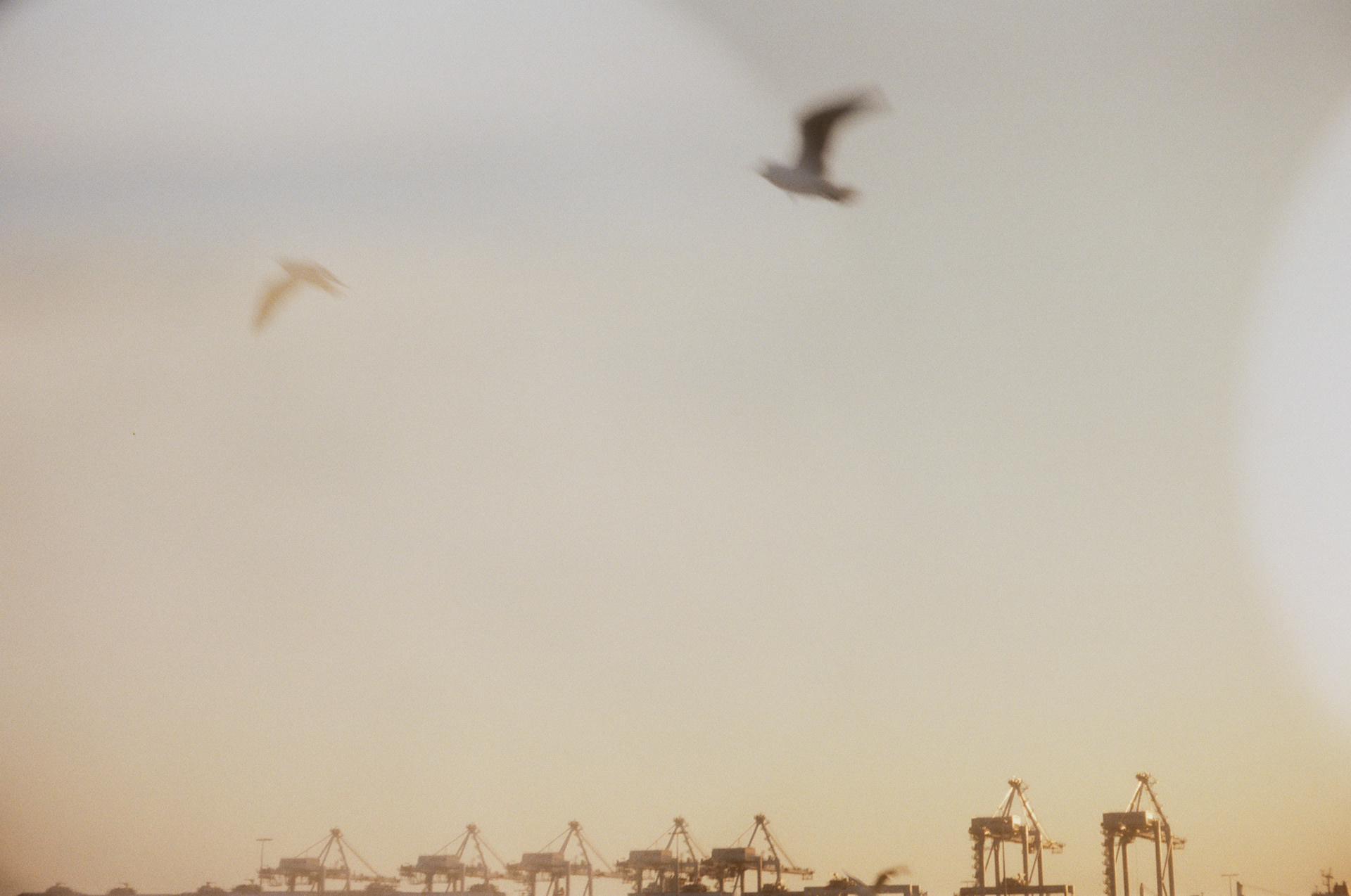
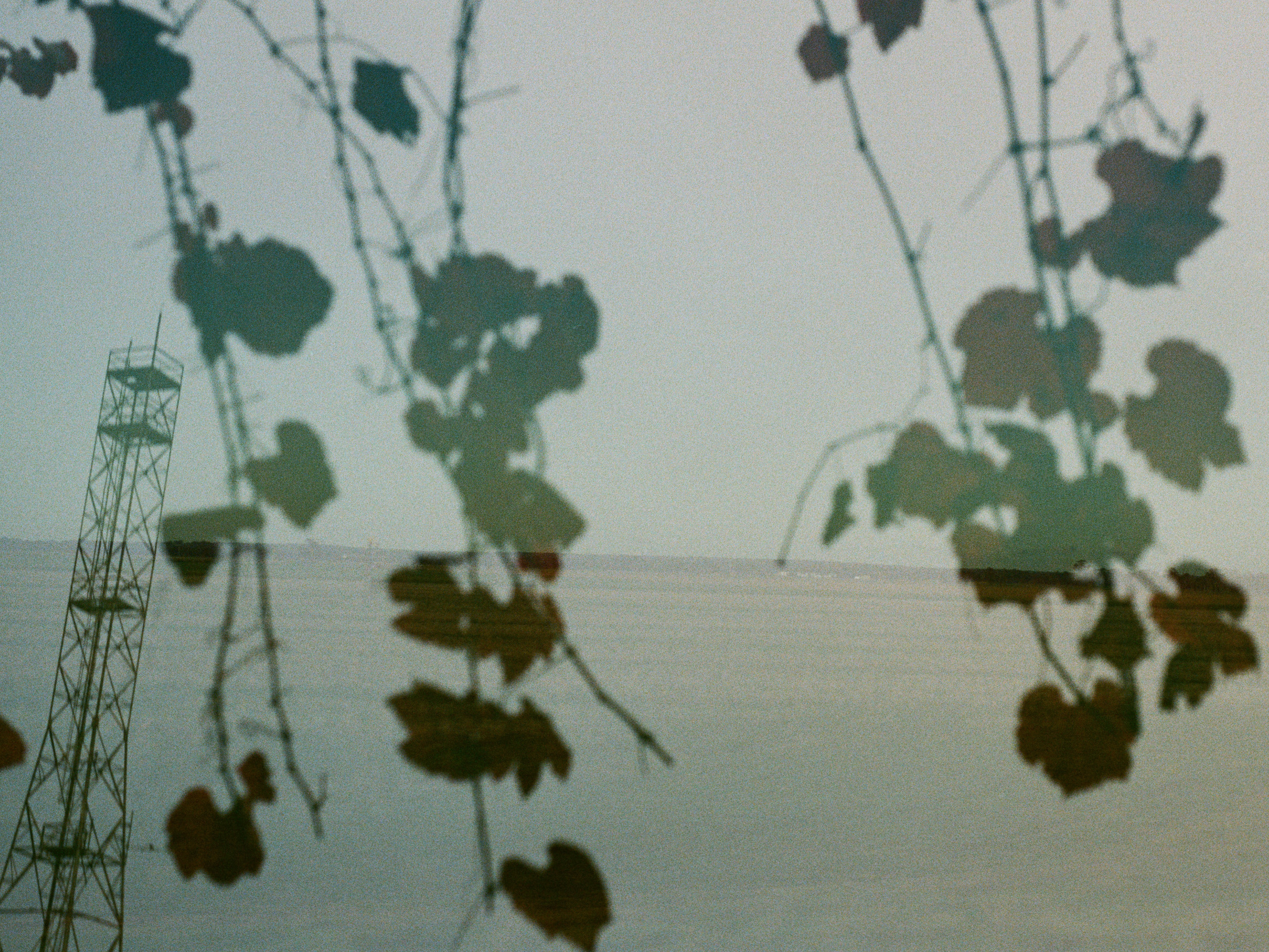
The coast, relatively close to the city, lies beside a port, where giant cranes stand in rows, lifting large containers onto and off cargo ships. From a distance, they look almost like a cluster of factories.
At the end of the beach, a promenade begins. Beyond it, cranes move containers back and forth. Or stand motionless in silence.
In summer, the cranes can be seen beside people who come to swim at the beach, or behind those walking their dogs. Towards evening, small red and yellow lights begin to appear on the cranes, marking the beginning of night.
I walk along the promenade, with the cranes beyond the wall. The walkway still looks relatively new. Once I start walking, the path leaves the beach behind and heads towards the sea.
The sea is on my right. On my left, rows of cranes.
On the seaward side, a man sits fishing, while a mother and her son look out over the water from a small wooden deck. Further along is the ferry terminal, with a handful of restaurants and cafés lining the pier.
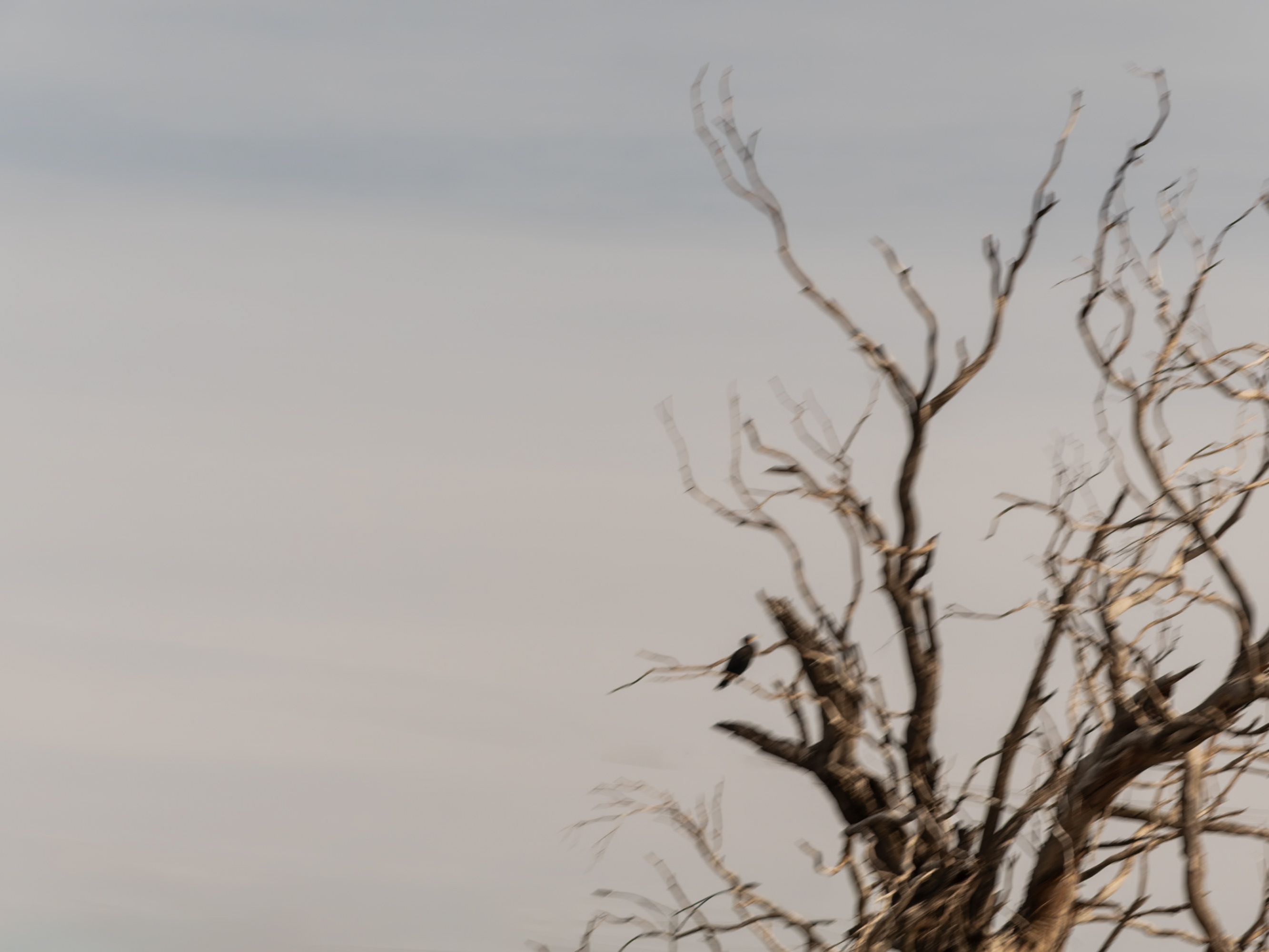
Dry, pale weeds, withered by winter, reach stubbornly upwards along the path. The wind is still cold, but the sunlight is gentle.
Hardy native Australian plants have been planted along the crane side of the path, with wood chips carefully spread around them to keep the weeds down.
A tall, thick wall keeps me apart from the cranes. A strip of black plastic is caught in the barbed wire, flapping in the strong coastal wind.
Containers slowly rise and fall. Almost no sound reaches this side. All sound seems to have disappeared beyond the wall. Hidden by the plants, then visible again, the work continues quietly.
As the path draws closer to the sea, the winter wind grows stronger. The promenade comes to an end at a spiral staircase leading to a viewing platform. The wind is strong. Bitterly cold.
By then, the sound begins.
A strange, high-pitched metallic sound. A long, thin whine.
It is not the sound of machinery in operation. More like a hum, resonating from somewhere. A sound the body does not quite welcome.
At the end of the promenade, the high wall of the ramp leading to the stairs casts a large shadow. The wind roars through the space. Rough waves break against the seawall, sending up great sprays of water and soaking the concrete underfoot. The metallic shriek suddenly intensifies. The sea is a dark colour that somehow feels wrong to look at.
Covering my ears, I hurry back along the promenade. The metallic sound recedes. So do the roar of the wind, the cold, and the sound of the spray.
As I make my way back, the cranes are still working without a sound. A jogger runs towards me. We pass each other. The man is heading towards that place, I think to myself.
The mother and her son who had been on the deck are gone. The fisherman is still there, his fishing rod extended over the water. In the distance, an ordinary beach stretches away. Beyond it, rows of high-rise apartment buildings.
On an afternoon at the end of winter, I said goodbye to the cranes.